

Why Developed Farmland Is Safer Than Housing-Society Plot Files
A Receipt Is Not a Plot
For years, millions of Pakistanis have invested their savings into something they never actually see or touch: a plot file. A file is a piece of paper, a promise from a housing society that, one day, somewhere, a plot will be allotted, developed, and handed over to you. People buy files, sell files, and trade files for profit, often without a single brick ever being laid.
For a while, the system seemed to work. Then came the reckoning. In 2025 and 2026, investigators uncovered that housing societies around Islamabad and Rawalpindi had sold tens of thousands of files for plots that simply do not exist, and families who thought they owned land discovered they owned nothing but paper.
This is the single biggest risk in Pakistani real estate today. And it is exactly why serious investors are turning to the opposite of a file: developed, verified farmland you can physically stand on. This article explains the difference, and why it matters more than ever.
What a “Plot File” Actually Is
A plot file is not land. It is a claim to a plot that a housing society promises to deliver in the future. When you buy a file, you are trusting that:
- the society actually owns enough land to back every file it has sold,
- the scheme has legal approval and the required NOCs,
- the land will be developed – roads, utilities, boundaries – within a reasonable time, and
- your specific plot will one day be demarcated and handed over to you.
Every one of those is a promise, not a fact. Until the plot is developed and possession is granted, a file is only as trustworthy as the people who issued it. And as Pakistan has now learned on a massive scale, that trust has been catastrophically misplaced.
The Reckoning: What Investigators Found in 2025–26
This is not speculation or scare-mongering. These are findings from Pakistan’s own accountability and regulatory bodies, reported across national media. In the Islamabad -Rawalpindi region alone – the heart of the country’s file culture – the scale of overselling is staggering:
| What Investigators Found (2025–26) | The Number |
|---|---|
| Plots & files oversold across Islamabad–Rawalpindi schemes (NAB) | ~91,000 |
| Files issued by one society for just ~6,000 plots of land | ~42,000 |
| Memberships issued with no land behind them at all | ~20,000 |
| Land marketed outside approved plans | ~80,000 kanals |
| One scheme: approved for 4,000 kanals, but advertised | 75,000–100,000 kanals |
| Estimated public losses in the region | Hundreds of billions (Rs) |
The Fiction of the File System
A National Accountability Bureau probe found that private and cooperative housing schemes around Islamabad and Rawalpindi had oversold nearly 91,000 plots and files. One society alone issued around 42,000 files when its land could back only about 6,000. One scheme approved for just 4,000 kanals advertised up to 100,000 kanals and raised an estimated Rs 50–60 billion — then, three years on, had acquired only scattered land with no approval. The victims were ordinary people: professionals, government employees, retirees, and families who handed over their life savings for plots that were never going to exist.
Read those numbers again. When a society sells 42,000 files for 6,000 plots, 36,000 families cannot all be wrong – they have simply been sold the same limited land many times over. That is the structural flaw at the heart of the file system.
Why the File System Is Structurally Risky
The file model is not just occasionally abused – it is built in a way that invites these failures:
- Overselling is easy and invisible: a society can print and sell far more files than it has land, and buyers have no simple way to know how many files already exist.
- The land may not exist or be approved: files are routinely sold for schemes without full approval, NOCs, or an actual land bank.
- Possession can be delayed indefinitely: thousands of members wait years – sometimes decades – for possession that never comes.
- It runs on speculation: files are traded for quick profit, inflating prices on paper with nothing physical underneath.
- You cannot verify it yourself: unlike titled land, a file’s true backing is hidden inside the society’s private records.
What “Developed Farmland” Means - The Opposite of a File
Developed farmland is the direct answer to every one of those risks, because it is real in every way a file is not:
- It physically exists: you can visit it, walk it, and stand on your own demarcated plot today – not “one day.”
- It is verifiable: a PLRA-verified title lets you confirm ownership yourself in the official record. Learn how to verify agricultural land through PLRA.
- It comes with possession: you take real possession of real land, not a place on a waiting list.
- It is already developed: access roads, water, and infrastructure are in place – the land is usable now.
- It is productive: it earns from day one through crops and orchards, instead of sitting as a speculative paper claim.
The Core Difference
A plot file is a promise that land will exist and be yours. Developed farmland is proof that it already does. One depends entirely on the honesty and solvency of a society years into the future; the other is a tangible asset you own and can verify today. In a market where tens of thousands of promises have just collapsed, proof is everything.
Plot File vs Developed Farmland: Head to Head
| Factor | Housing-Society Plot File | Developed Farmland |
|---|---|---|
| Does it exist? | Often not, a paper claim on a future, sometimes non-existent plot | Yes, real, physical land you can stand on today |
| Possession | May take years, or never come at all | Immediate, demarcated possession of your plot |
| Can it be oversold? | Yes, thousands of files issued for land that cannot back them | No, a verified plot has one owner in the record |
| Legal verification | Hard to verify; approvals and NOCs often missing | PLRA-verified title you can confirm yourself |
| Productive use | None until (and unless) it materialises | Earns from day one, crops, orchards, income |
| Main risk | Fraud, delay, non-development, total loss | Ordinary market risk, but the asset is real |
| Value basis | Speculation on a promise | A tangible, usable, income-producing asset |
Why Overseas Pakistanis Are Especially at Risk
Overseas Pakistanis are among the most common victims of the file system. Investing from thousands of miles away, they rely on brochures, agents, and trust, and cannot easily visit to check whether the land behind their file even exists. Many have sent years of hard-earned savings home for files in schemes that were oversold or never developed.
Developed, verified farmland removes that danger. Because the land is real and the title is in the official PLRA record, an overseas buyer (or their family) can verify exactly what they own, no blind trust required. It is the difference between gambling on a distant promise and owning a confirmed asset back home.
How to Protect Yourself Before You Buy
Whether you are considering a file or a farmland plot, never commit until you can answer “yes” to these:
- Does the land physically exist and can you visit it? If you cannot stand on it, be extremely cautious.
- Is the title verifiable in the official record? PLRA-verified land can be checked independently; a file usually cannot.
- Is possession immediate or a future promise? Immediate possession removes years of risk.
- Is the land developed, with real infrastructure? Developed land is usable now; undeveloped files may never materialise.
- Who else might have a claim to it? With files, the same land may be sold many times over.
For a wider view of the traps to avoid, see our guide on the mistakes to avoid while buying land, and our comparison of farmland vs real estate investment.
Why Agro Excellence Farms Is Everything a File Is Not
Agro Excellence Farms was built on the opposite philosophy to the file system – real land, real verification, real possession:
- PLRA-verified, titled land: ownership is recorded and verifiable before you pay – not a private society entry you must take on trust.
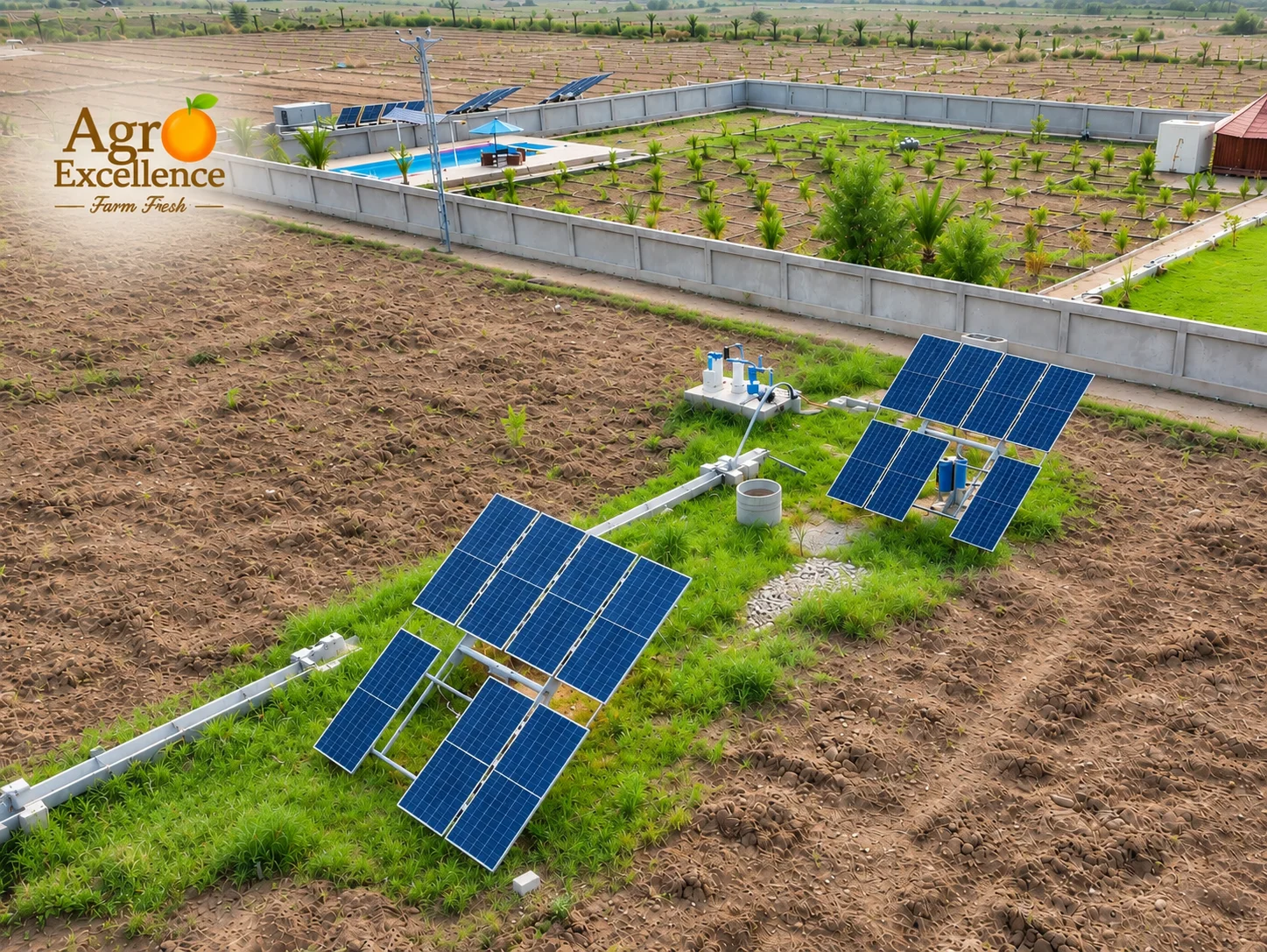
- Developed and possession-ready: as part of a gated, master-planned community with roads, water, and solar tube wells, the land is real and usable, not a future promise.
- A defined, demarcated plot: you own a specific, marked piece of land – it cannot be oversold to thousands of others like a file.
- Productive from day one: fertile land that earns through crops and orchards, instead of a speculative paper claim.
- You can visit and verify: stand on your land, see the development, and confirm the title – the exact safeguards a file denies you.
Own the Land, Not the Promise
The file system was built on trust, and that trust has just collapsed on a scale measured in tens of thousands of plots and hundreds of billions of rupees. Behind every oversold file is a family who believed a piece of paper was the same as a piece of land. It was not.
Developed farmland is the safer path precisely because it removes the gamble. The land exists, the title is verifiable, the possession is real, and the asset is productive from the start. In a market where promises have proven worthless, the smartest investors are choosing the one thing that cannot be oversold, faked, or indefinitely delayed, real land they can stand on and verify for themselves. Own the land, not the promise.