


Biofertilizers for Healthier Soil: 7 Benefits for Higher Harvests in 2026
Introduction
In 2026, modern agriculture faces declining soil fertility, rising fertilizer costs, climate stress, and excessive chemical use. To overcome these challenges, farmers are increasingly adopting biofertilizers for healthier soil as a sustainable and yield-enhancing solution.
Biofertilizers restore soil biology, improve nutrient efficiency, and support long-term productivity. At Agro Excellence Farms, biofertilizers for sustainable agriculture are a key pillar of eco-friendly and profitable farming.
This guide explains the importance of biofertilizers, their types, and the 7 major advantages of biofertilizers for higher harvests in 2026 and beyond.
What Are Biofertilizers?
Biofertilizers are natural inputs containing living microorganisms that improve soil fertility by enhancing nutrient availability to crops. Unlike chemical fertilizers, biofertilizers work with soil microbes to maintain long-term soil health.
Common Biofertilizer Types & Examples
- Nitrogen-fixing bacteria
(Rhizobium biofertilizer, Azotobacter, Azospirillum biofertilizer) - Phosphate-solubilizing bacteria
Improve phosphorus uptake in crops - Potassium-mobilizing bacteria
Enhance potassium availability in soil - Mycorrhizal fungi
Strengthen root systems and nutrient absorption
These biofertilizers examples create a balanced soil ecosystem, making them essential for modern biofertilizer-based agriculture.
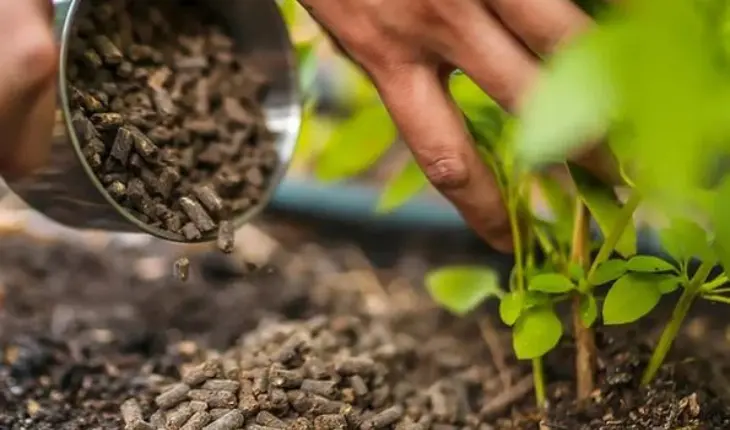
1. Improved Soil Health and Structure
One of the biggest biofertilizer benefits is the revival of soil microbial life.
Key Advantages:
- Improves soil aggregation and aeration
- Enhances water-holding capacity
- Prevents soil compaction and degradation
Healthy soil structure supports strong roots and long-term productivity, making biofertilizers critical for healthier soil management.
2. Higher Crop Yields Naturally
Biofertilizers for agriculture improve nutrient uptake efficiency, leading to higher yields without chemical overuse.
- Better root growth
- Increased plant vigor
- Improved flowering and fruit development
Studies and field data show 10–30% yield improvement when biofertilizers are used with proper crop management.
3. Reduced Dependency on Chemical Fertilizers
Over-reliance on chemical fertilizers damages soil biology over time.
Biofertilizers help by:
- Reducing chemical fertilizer use by up to 50%
- Preventing nutrient imbalance
- Lowering soil toxicity
This makes them ideal for integrated nutrient management systems.
4. Environmentally Friendly & Climate-Smart Farming
Biofertilizers play a major role in climate-smart agriculture.
Environmental Benefits:
- No soil or water pollution
- Reduced greenhouse gas emissions
- Improved soil carbon sequestration
These advantages align with global sustainability goals for 2026.
5. Increased Resistance to Diseases & Climate Stress
Beneficial microbes strengthen crops naturally.
Biofertilizers improve resistance against:
- Soil-borne diseases
- Drought and salinity stress
- Temperature fluctuations
This makes farming more resilient under changing climate conditions.
6. Cost-Effective Solution for Farmers
Using biofertilizers for healthier soil significantly lowers farming costs.
- Reduced fertilizer expenses
- Higher return on investment (ROI)
- Long-term soil productivity
Suitable for small farmers, commercial agriculture, and agribusinesses.
7. Supports Organic & Regenerative Farming
Biofertilizers are the backbone of organic and regenerative systems.
- Approved for organic farming
- Improve soil biodiversity
- Meet growing demand for chemical-free produce
In 2026, sustainable food production is a major market advantage.
How to Use Biofertilizers for Healthier Soil Effectively in 2026
Application Methods:
- Seed treatment
- Soil application
- Root dipping
- Drip irrigation systems
Best Practices:
- Store in cool, dry conditions
- Avoid mixing with chemical pesticides
- Use fresh, certified biofertilizer products
Conclusion
The future of agriculture depends on soil health. Using biofertilizers for healthier soil is no longer optional—it is essential for sustainable yields, lower input costs, and environmental protection.
By adopting biofertilizers, farmers can ensure higher harvests, healthier soils, and long-term success. Agro Excellence Farms continues to promote advanced, eco-friendly biofertilizer solutions for modern agriculture.
Are biofertilizers safe for all crops?
Yes, biofertilizers are safe and effective for cereals, vegetables, fruits, and cash crops.
How long do biofertilizers take to show results?
Results typically appear within 2–4 weeks depending on soil condition and crop type
Can biofertilizers replace chemical fertilizers completely?
They significantly reduce chemical use and work best in integrated nutrient systems.
Are biofertilizers suitable for large-scale farming?
Yes, modern biofertilizers are widely used in commercial and industrial agriculture.