
Difference Between DAP & NPK Fertilizers & Which One Is Better?
Why Choosing the Right Fertilizer Matters
Whether you’re an experienced farmer or a beginner gardener, experimenting with the right fertilizer combinations is essential for maximizing crop and flower yields, delivering optimal nutrition, and ensuring strong, healthy plants.
Fertilizer decisions depend on soil health, crop demands, weather patterns, and cost efficiency. Farmers often lose up to 15 – 25% yield simply because they apply DAP or NPK at the wrong time.
In this blog, we will simplify everything so you can confidently choose the right fertilizer, avoid nutrient wastage, save money, and increase your crop yield.
What Is DAP (Diammonium Phosphate)?
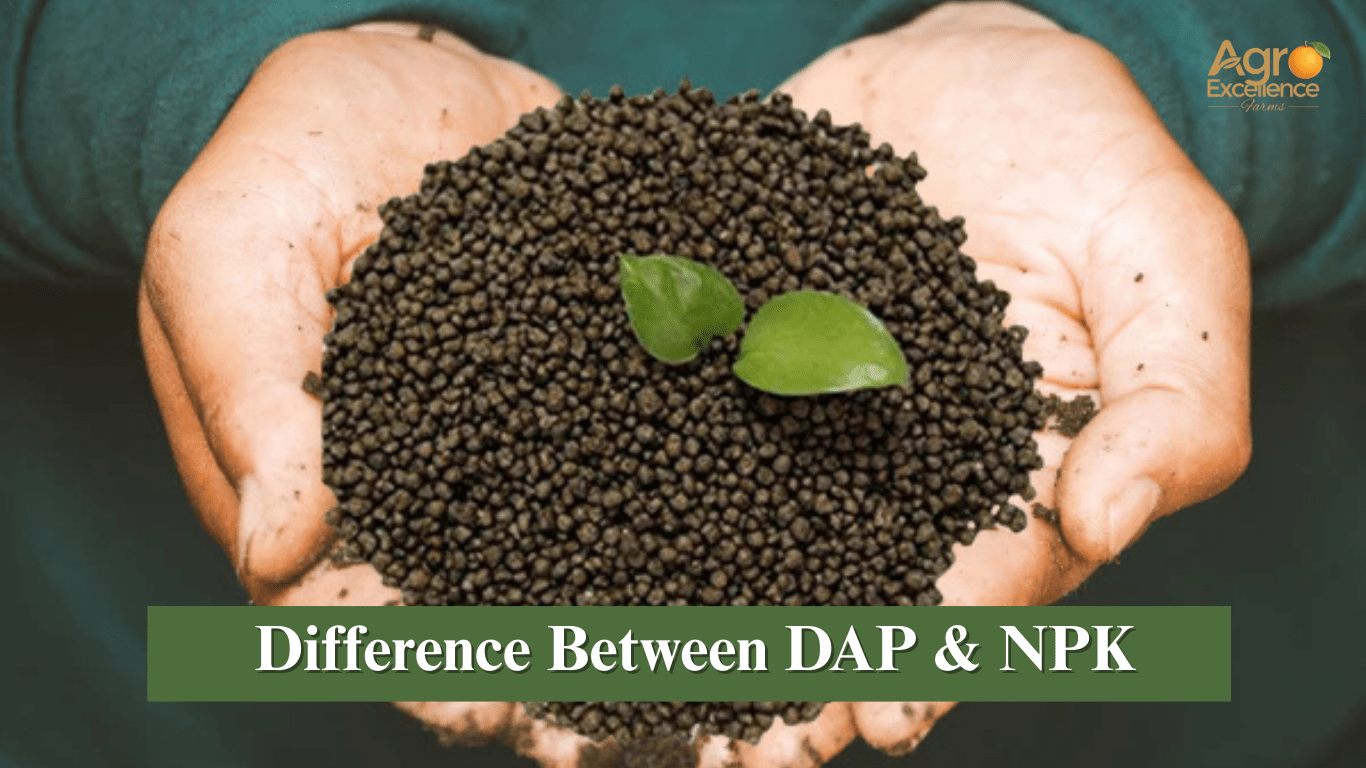
DAP fertilizer’s full name is Diammonium Phosphate. DAP is a high-phosphorus fertilizer (46-18) ideal for root development, strong germination, and early crop establishment.
DAP Composition
- 46% Nitrogen (N)
- 18% Phosphorus (P₂O₅)
- 0% Potassium (K)
- pH: Slightly alkaline
- Form: Granular
- Solubility: High, ensuring fast nutrient availability
Why Do Farmers Prefer DAP During Sowing?
DAP’s high phosphorus content makes it the best starter fertilizer, especially for crops that depend on early root establishment.
Detailed benefits:
- Speeds up germination
- Strengthens root systems
- Enhances nutrient uptake
- Improves seedling survival
- Boosts early plant height and vigor
- Supports tillering, especially in wheat and rice
- Reduces early-stage diseases and stress
Best Crops for DAP
DAP performs exceptionally well for:
- Wheat
- Cotton
- Sugarcane
- Maize
- Rice nurseries
- Potato
- Vegetables (early stage)
- Pulses
DAP is ideal when:
- Soil phosphorus is low or medium
- You need a strong early boost
- You want a high-yield crop with strong roots
- Planting deep-rooted or heavy-feeding crops
What Is NPK Fertilizer?
The full name of NPK is nitrogen, phosphorus, and potassium fertiliser. NPK fertilizers provide nitrogen, phosphorus, and potassium in specific ratios to support full-cycle plant growth from leaves to flowers and fruits.
Common NPK Ratios & Their Uses
| NPK Ratio | Best Use Case |
| 15-15-15 | General growth for most crops |
| 20-10-10 | Leafy growth (e.g., spinach, fodder) |
| 10-26-26 | Flowering & root strengthening |
| 12-32-16 | Seedling + vegetative support |
| 16-8-24 | Fruiting vegetables & orchards |
| 9-23-30 | High flower/fruit demand crops |
Why Do Farmers Choose NPK Over Single-Nutrient Fertilizers?
NPK fertilizers provide three critical nutrients together, and here are the benefits of NPK Fertilizers:
1. Nitrogen (N)
- Supports leaf growth
- Improves chlorophyll production
- Increases food production in vegetative crops
2. Phosphorus (P)
- Builds strong roots
- Essential for flowering
- Enhances energy transfer in plants
3. Potassium (K)
- Improves fruit size and sweetness
- Adds disease resistance
- Strengthens plant immunity
Best Crops for NPK
- Rice
- Vegetables (tomato, capsicum, okra, cucumber)
- Orchards (mango, citrus, guava)
- Potatoes
- Sugarcane
- Maize (mid-stage)
- Pulses (mid-stage)
- Flowers
Use NPK when your crop needs:
- Balanced nutrition
- Leaf, flower and fruit development
- Yield improvement
- Soil nutrient replenishment
Comparison between DAP and NPK
The real difference is in the nutrient ratio and timing. DAP is for sowing; NPK is for growth.
| Feature | DAP | NPK |
| Nutrients | High P, moderate N | Balanced N, P, K |
| Best For | Sowing stage | Vegetative to fruiting stages |
| Soil Suitability | Alkaline, neutral | All soil types |
| Nutrient Release | Fast | Moderate/controlled |
| Improves | Roots & germination | Growth, flowering, yield |
| Cost | Slightly higher | Moderate |
| Versatility | Limited (no K) | Very high |
Which One Is Better, DAP or NPK?
DAP is better at sowing. NPK is better during growth, flowering, and fruiting.
Choose DAP if:
- Soil phosphorus is low
- You are sowing wheat, cotton, maize, or sugarcane
- Your soil has a weak root structure
- You want strong early growth
- You want fast nutrient availability
Choose NPK if:
- Your crop is past the early stage
- You want higher fruit/flower productivity
- Soil potassium is deficient
- You want a balanced nutrient supply
- You grow vegetables or fruit crops
The Best Fertilizer Strategy for Maximum Yield (Expert-Approved)
Most farmers achieve the highest yield by combining both fertilizers:
Stage 1 (Sowing): Use DAP
- Helps roots establish
- Boosts early growth
- Enhances plant strength
Stage 2 (Vegetative Growth): Switch to NPK 15-15-15 / 20-10-10
- Encourages leaf and stem growth
- Ensures nitrogen is sufficient
Stage 3 (Flowering): NPK 10-26-26 / 12-32-16
- Supports phosphorus-rich flowering
- Prevents flower drop
Stage 4 (Fruiting): NPK 16-8-24 / 9-23-30
- Improves fruit size & quality
- Increases sweetness and weight
This stage-wise fertilizer plan increases yield by 20-40% across major crops.
Want a high-yield fertilizer plan tailored to your soil and crop?
Our agronomy expert at Agro Excellence farms will create a custom nutrition strategy to increase yield and reduce fertilizer costs.
Get Your Free Consultation Now!