

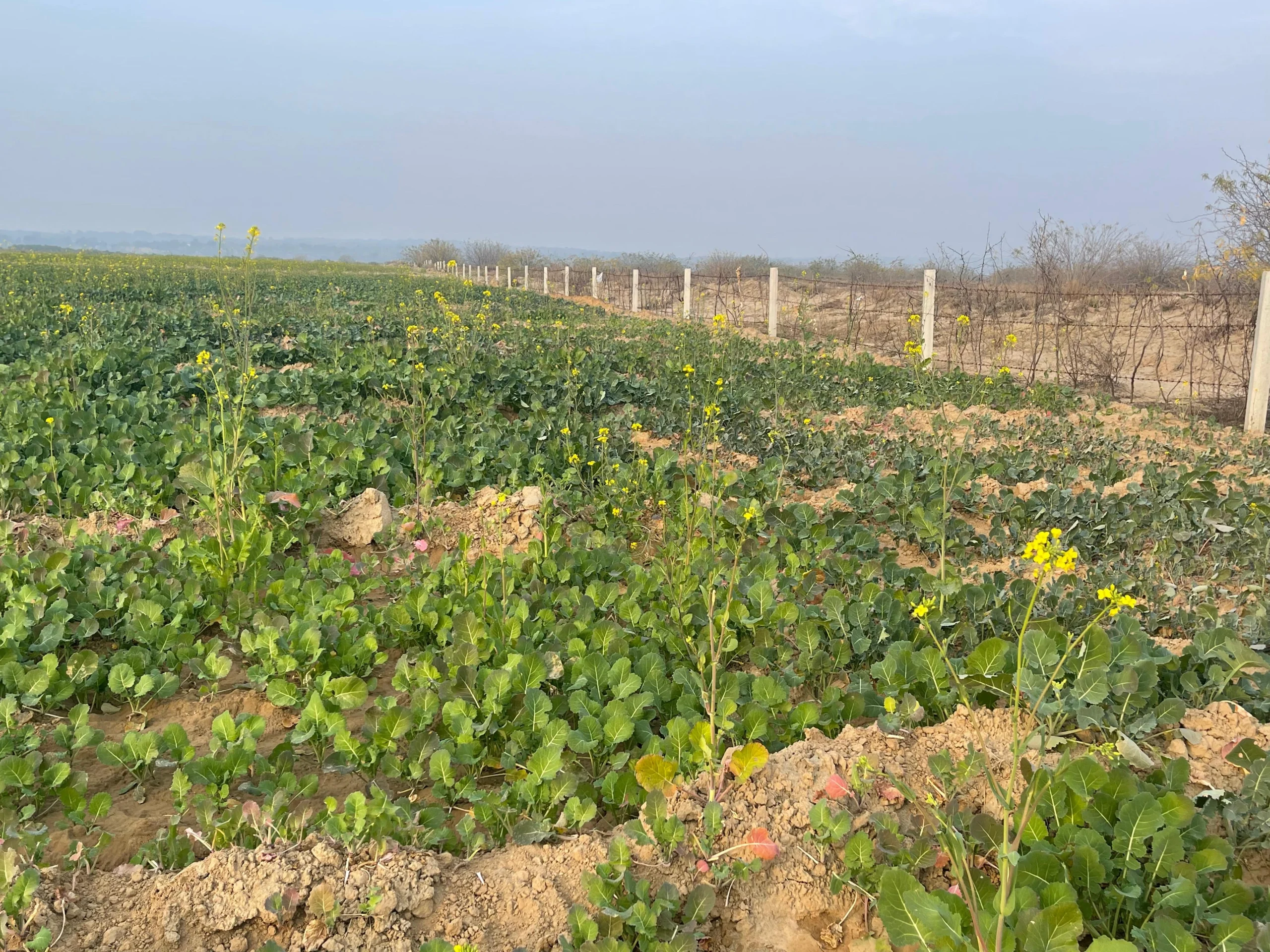
Grow Off-Season Vegetables for 3x Profit: A Guide to Tunnel Farming
Vegetable prices often increase when the growing season ends. Tomatoes, cucumbers and capsicum may be cheaper during peak season but can sell for much higher prices when fresh supply becomes limited. Tunnel farming helps farmers grow these vegetables outside their normal season by protecting them from cold weather, frost, and some pests.
Tunnel farming is already being used in different parts of Pakistan. In Khyber Pakhtunkhwa, farmers have received training in tunnel and net house farming to grow crops such as tomatoes, cucumbers, and bitter gourd beyond their usual growing season. Research from Peshawar has also found that tunnel-grown tomatoes can provide higher profits than open-field tomatoes, mainly because off-season produce can sell at better prices.
This makes tunnel farming a useful option for farmers and landowners who want to make better use of their agricultural land. Agro Excellence Farms provides farmland for agricultural use, where modern farming methods such as tunnel farming can be considered based on the land, crop, and local growing conditions.
What Is Tunnel Farming?
Tunnel farming is a way of growing crops in a protected environment. Farmers grow vegetables inside a tunnel-shaped structure made with a metal or bamboo frame and covered with plastic sheets or netting. This covering protects plants from frost, cold weather, strong winds, heavy rain and some pests.
A major benefit of tunnel farming is that it can extend the growing season. Farmers can plant certain vegetables earlier or grow them later than they normally could in an open field. It can help them produce vegetables when there is less supply in the market which provide better selling prices.
The covered environment also gives farmers better control over crop conditions. They can manage irrigation, ventilation, temperature and pest control according to the needs of the crop. This can support healthy plant growth and improve crop production with proper care
Who Should Consider Tunnel Farming
Tunnel farming is suitable for farmers and landowners who have a piece of land, a reliable water supply and enough time to look after the crops. Plants grown inside tunnels need regular watering, ventilation and monitoring for pests and diseases. Checking the crops regularly helps identify problems before they affect the whole crop.
It can also be a useful option for landowners who want to earn more from a small part of their farmland. A tunnel can be installed on a limited area without taking up the entire farm, so it can work alongside activities such as orchards or livestock farming. However, farmers should be prepared to manage the crop regularly from planting to harvest.
Types of Tunnels Used in Off-Season Vegetable Farming
Types of Tunnels Used in Tunnel Farming
| Tunnel Type | Structure | Best Suited For |
|---|---|---|
| Low Tunnel | Small plastic or net covers placed close to the ground at a low cost | Small plots and leafy vegetables such as spinach and lettuce |
| Walk-In (Medium) Tunnel | A taller frame that allows a person to walk inside for daily crop care | Tomatoes, cucumbers, capsicum, and bitter gourd |
| High Tunnel (Greenhouse) | A large, semi-permanent structure offering better climate control | Commercial-scale vegetable and fruit production |
How Tunnel Farming Can Deliver Up to 3x Profit
Tunnel farming can increase farm income mainly because it allows farmers to grow vegetables outside their normal season. When open-field crops are not widely available, off-season vegetables can often sell at better prices. Tunnels can also help protect plants and support better production when they are properly managed.
A study from Peshawar district found that tunnel-grown tomatoes and sweet peppers had a benefit-cost ratio of 1.69. It means that for every rupee spent on production, the return was about Rs. 1.69. Another tunnel growing cucumber and pumpkin recorded a benefit-cost ratio of 1.27. The results showed that tomatoes provided the strongest returns among the crops studied.
Timing is another important factor. If farmers plant too late, their crop may reach the market when open-field vegetables are already widely available. This can reduce the price advantage. Planning the planting date around the expected off-season demand can help farmers make better use of tunnel farming and improve their chances of earning higher returns. For those considering farmland as a long-term agricultural investment, Agro Excellence Farms provides an opportunity to own land that can be used for productive farming and modern agricultural practices.
Best Vegetables for Tunnel Farming
Best Vegetables for Tunnel Farming
| Vegetable | Why It Works Well in a Tunnel |
|---|---|
| Tomato | Offers some of the highest recorded returns in tunnel-farming studies and benefits from strong off-season price premiums |
| Cucumber | Grows quickly, is sensitive to frost, and benefits greatly from early planting |
| Capsicum / Sweet Pepper | Needs stable warmth to set fruit and performs well under protected conditions |
| Bitter Gourd | A common off-season crop used in tunnel and net-house farming programmes across Pakistan |
| Bottle Gourd / Pumpkin | Grows well inside tunnels, although its returns are generally lower than those of tomatoes |
| Lettuce and Spinach | Well suited to low tunnels and provides quick crop turnover for smaller plots |
How to Set Up a Tunnel Farm
Starting a tunnel farm needs some planning before you begin. Choosing the right piece of land, building a suitable structure, selecting the right crop, and planning how you will sell the produce can all make a difference to the results.
1. Choose the Right Location
Start with land that is fairly level, gets good sunlight, and does not hold water after rain or irrigation. A nearby and reliable water source is also important because tunnel crops need regular watering. Good drainage helps protect the roots from waterlogging and reduces the chance of disease.
For landowners looking for suitable farmland, Agro Excellence Farms offers plots that can be used for different agricultural activities, depending on the soil, water availability, and intended use of the land.
2. Build a Strong Tunnel
The tunnel frame can be made from metal or bamboo and covered with suitable plastic sheeting or netting. The structure should be strong enough to handle the local weather. It should also have enough ventilation, such as openings or roll-up sides, to prevent excessive heat and humidity from building up inside.
3. Choose a Suitable Crop
Not every crop will give the same results in a tunnel. Tomatoes, cucumbers, and capsicum are among the vegetables commonly grown under protected conditions. Choose the crop according to the local weather, planting season, expected market demand, and the price you may receive when the crop is ready.
4. Set Up Proper Irrigation
Watering needs to be managed carefully inside a tunnel. Drip irrigation is often used because it supplies water close to the plant roots and can reduce unnecessary water use. Avoid overwatering, as excess moisture can create conditions that encourage fungal diseases.
5. Keep an Eye on Pests and Diseases
A tunnel provides protection, but it does not make crops completely free from pests or diseases. Check the plants regularly, especially the leaves and growing points, so any problem can be noticed early. Good ventilation, clean growing practices, traps, and other suitable pest-control methods can help keep problems under control.
6. Plan Where You Will Sell the Crop
Think about the market before planting rather than waiting until harvest time. Find out where you can sell the vegetables and what buyers usually want. Depending on the location, this could include local markets, wholesalers, retailers, or direct customers. Having a sales plan can make it easier to sell the crop at the right time and avoid unnecessary losses.
Tunnel Farming vs Open-Field Farming
Open-Field Farming vs Tunnel Farming
| Factor | Open-Field Farming | Tunnel Farming |
|---|---|---|
| Growing Season | Limited to the crop’s natural outdoor growing season | Extended earlier or later than the normal growing season |
| Selling Price | Prices often drop during peak harvest when supply is high | Prices can be higher because crops reach the market during the off-season |
| Weather Risk | Exposed to frost, heavy rain, and strong winds | Protected from harsh weather by the covered structure |
| Pest Pressure | Higher exposure to insects and open-field diseases | Lower exposure, with easier monitoring and control |
| Water Use | Higher water losses through evaporation and runoff | Lower water use, especially when combined with drip irrigation |
| Upfront Cost | Lower cost using standard field preparation methods | Higher cost due to tunnel materials and structural installation |
Challenges in Tunnel Farming
Tunnel farming can offer strong returns, but growers may face several practical challenges:
- High initial investment: Tunnel structures, certified seeds, irrigation systems, and other inputs can cost more than conventional open-field farming.
- Limited access to certified inputs: Farmers may struggle to find reliable certified seeds, fertilisers, and other quality inputs when needed.
- Lack of technical knowledge: New growers often need proper guidance on tunnel management, crop selection, irrigation, pest control, and temperature management.
- Limited cold storage facilities: Without nearby cold storage, vegetables can lose quality quickly, especially during peak harvesting periods.
- Higher transportation costs: Farmers located away from major markets may spend more on transporting produce to cities and wholesale markets.
- Weak market access: High yields do not always guarantee high profits. Growers may receive lower prices if they do not have direct access to reliable buyers or profitable markets.
- Limited access to finance: Smaller and new growers may find it difficult to arrange funding for tunnel installation, seeds, fertilizers, and other operating expenses.
- Uncertain seed and fertilizer supply: Delays or shortages in important inputs can affect planting schedules and overall crop performance.
- Need for professional support: Farmers generally achieve better results when they have access to experienced agricultural guidance throughout the growing season. Working with agricultural partners such as Agro Excellence Farms can help growers make better-informed decisions about tunnel setup, crop planning, input management, and overall farm performance.
Tunnel Farming for Off-Season Vegetables in Pakistan
Tunnel farming is becoming more common in Pakistan because it helps farmers grow vegetables for longer periods on the same land. It provides a protected space where crops such as tomatoes, cucumbers, and bitter gourd can be grown with better protection from weather and pests. Farmers can also use simple methods such as fruit-fly traps and beneficial insects to manage pests.
Agro Excellence Farms offers farmland that can support different agricultural activities, including seasonal cash crops, orchards and livestock. It gives landowners the flexibility to use part of their plot for tunnel farming and grow vegetables outside their normal season. A solar-powered tube well sized to the plot, paired with drip irrigation, supports the steady water supply tunnel crops need, while the region’s shallow, sweet groundwater reduces the impact of water scarcity during the growing season. The farm design page shows dedicated space for cash crop cultivation, making tunnel farming a natural addition to the existing farm setup rather than a separate project.
For farmland owners exploring extra income from their plot, tunnel farming offers a practical way to add a second, higher-value harvest cycle to land that might otherwise sit unused for part of the year. Because the structure needs only a small footprint, it fits naturally alongside an orchard, a cash crop field, or livestock on the same 40 or 48 Kanal plot without requiring a separate piece of land.
Start Tunnel Farming with Agro Excellence Farms
Tunnel farming can help farmers get more value from their land by allowing them to grow vegetables outside their normal season, when market prices may be higher. Studies from Pakistan have found that crops such as tomatoes, cucumbers, and capsicum can provide better returns under tunnels than in open fields. However, actual profits depend on factors such as crop choice, production costs, market prices, and proper farm management.
Agro Excellence Farms provides farmland designed for productive agriculture, with space that can be used for cash crops and other farming activities. It gives landowners the flexibility to consider methods such as tunnel farming for off-season vegetable production. Explore our farmland offerings and farm management services to see how a dedicated cash crop field, reliable irrigation, and on-site support can help you grow off-season vegetables on your own land.
If you would like to discuss adding tunnel farming to a farmland plot, reach out to our team, or visit our FAQs page for quick answers to common questions.
Frequently Asked Questions
Tunnel farming allows farmers to grow and harvest vegetables outside their normal growing season. When the supply of a vegetable is low, its market price may be higher. This can help farmers earn better returns from crops grown under tunnels.
Tomatoes have shown strong returns in several Pakistani tunnel farming studies. Cucumbers and capsicum can also perform well, while bitter gourd and bottle gourd are other common choices for off-season farming. Returns can vary depending on crop prices, production costs, and growing conditions.
Tunnel farming usually costs more to set up than open-field farming. Farmers need to spend on the tunnel structure, plastic covering, irrigation, seeds, and other inputs. However, higher off-season prices can help recover these costs, depending on the crop and market conditions.
A low tunnel is a small structure placed close to the ground to protect plants from cold and other weather conditions. A high tunnel is a larger structure that allows people to walk inside and provides more space for crops such as tomatoes and cucumbers.
Common risks include extreme weather, pests and diseases, poor ventilation, rising input costs, and changes in market prices. Limited farming knowledge and difficulty finding reliable buyers can also affect results. Regular crop monitoring and proper planning can help reduce these risks.
Yes, tunnel farming can be added to a suitable part of an existing farm. It needs a fairly level, well-drained area with access to water and sunlight. This means a tunnel can be used alongside other activities such as orchards, cash crops, or livestock.