

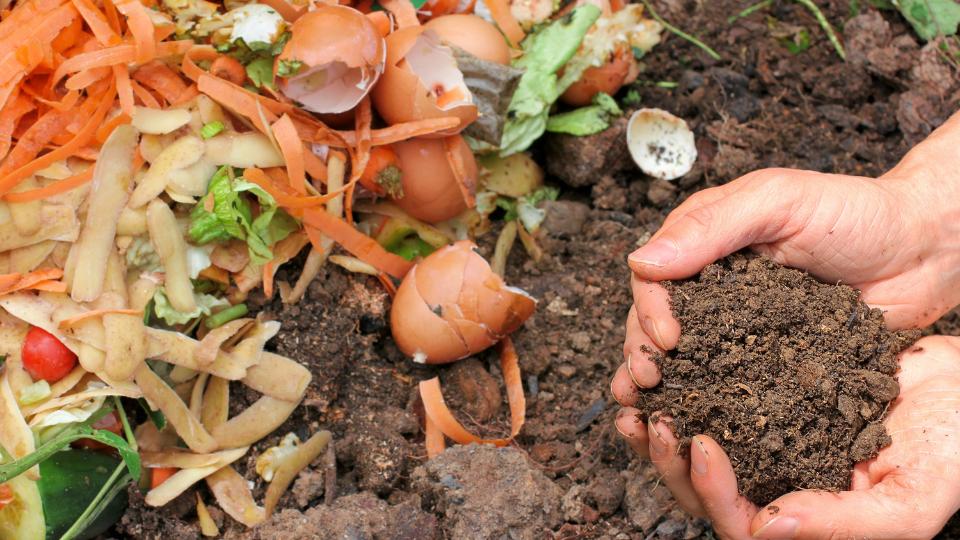
Turning Farm Waste Into Farm Gold: The Complete Guide for Farmers
Farm waste is not just leftover material; it’s a hidden treasure. With the right strategies, farmers can convert crop residues, animal manure, and organic leftovers into compost, biofertilizers, vermicompost, biochar, animal feed, energy, and even organic products. Agro Excellence Farms provides a practical, step-by-step roadmap to turn farm waste into profit, while promoting sustainable and eco-friendly agriculture.
Why Converting Farm Waste Matters
Farmers often discard or burn crop residues, leaves, and animal manure, which leads to:
- Soil nutrient loss: Burning destroys nitrogen, phosphorus, and potassium.
- Air pollution: Smoke from burning impacts air quality and human health.
- Increased cost: Farmers rely more on chemical fertilizers due to nutrient depletion.
Turning farm waste into farm gold transforms these challenges into opportunities. By adopting smart waste management techniques, farmers can:
- Reduce chemical fertilizer dependency by 30 – 50%
- Improve soil fertility and crop quality naturally
- Increase yields by up to 15 – 20% with compost and vermicompost
- Generate additional income by selling organic products like vermicompost, biochar, and biofertilizers
- Promote sustainable farming, supporting long-term environmental health
Types of Farm Waste You Can Reuse
Knowing your farm waste types is critical for maximizing benefits:
| Waste Type | Examples | Potential Use |
| Crop Residues | Wheat stalks, maize cobs, rice husks | Compost, mulching, animal feed |
| Fruit & Vegetable Peels | Banana, potato, carrot peels | Compost, animal feed, biofertilizer |
| Livestock Manure | Cow, buffalo, goat, sheep | Biofertilizer, biogas, vermicompost |
| Poultry Litter | Chicken droppings, bedding | Biofertilizer, vermicompost, biogas |
| Leaves & Grass | Orchard leaves, grass clippings | Compost, mulching |
| Pruning Waste | Branches, twigs | Mulching, biochar |
| Wastewater | Wash water from produce | Irrigation, nutrient recycling |
Categorize your waste by type and nutrient content to select the most profitable conversion method.
1. Composting: Turn Waste Into Nutrient-Rich Soil
Composting is the simplest and most cost-effective method for transforming farm waste into a valuable organic fertilizer.
Why Composting Works
Composting converts organic matter into humus through microbial activity, producing a fertilizer rich in nitrogen (N), phosphorus (P), and potassium (K).
Step-by-Step Composting Process
- Collect Organic Waste: Crop residues, leaves, and manure
- Chop & Shred: Smaller pieces decompose faster
- Layer Green & Brown Waste: Green = nitrogen-rich (grass, vegetable waste), Brown = carbon-rich (straw, dried leaves)
- Maintain Moisture: Keep the pile damp like a wrung sponge
- Aerate Regularly: Turn pile every 2 – 3 weeks
- Curing: Ready in 50 – 70 days; apply directly to fields or sell as compost
Tip: Add bio-inoculants like Trichoderma or Azotobacter to accelerate decomposition and increase nutrient content.
2. Mulching: Protect Soil and Retain Moisture
Mulching is the process of covering soil with organic material to improve water retention, suppress weeds, and add nutrients gradually.
Best Materials for Mulching
- Crop residues (wheat straw, rice husks)
- Sugarcane bagasse
- Dry leaves, grass clippings
- Pruning waste and twigs
Benefits of Mulching
- Reduces water loss by up to 40%
- Prevents soil erosion during heavy rains
- Suppresses weed growth naturally
- Adds organic matter to soil, improving fertility
Tip: Combine mulching with drip irrigation to maximize water efficiency in arid regions.
3. Biofertilizers: Use the Power of Manure
Animal manure contains beneficial microbes that boost soil fertility naturally. Biofertilizers are cost-effective, eco-friendly, and sustainable.
DIY Biofertilizer Recipe
- Mix 10 kg of animal manure with 1 kg of jaggery and 20 liters of water
- Ferment for 7 – 10 days in a shaded container
- Apply to the soil at 2 – 3 liters per square meter
Benefits
- Improves soil nutrient availability
- Enhances soil structure and aeration
- Increases pest and disease resistance
- Can generate income when sold as an organic biofertilizer
Tip: Add biofertilizer to seedling trays for faster germination and stronger seedlings.
4. Biogas: Convert Waste Into Energy
Biogas technology transforms organic waste into renewable energy while producing organic slurry for soil enrichment.
How Biogas Works
- Organic waste enters a digester tank
- Anaerobic bacteria decompose the waste, producing methane
- Methane can be used for cooking or electricity
- Residual slurry is nutrient-rich and usable as fertilizer
Benefits
- Provides free energy, reducing LPG or electricity costs
- Minimizes farm waste disposal problems
- Produces organic slurry to enhance soil fertility
Tip: Farms with livestock can supply enough manure for continuous biogas production, creating energy independence.
5. Animal Feed: Turn Crop Residues Into Nutrition
Crop residues can be repurposed as high-quality animal feed, reducing feed costs and ensuring zero-waste farming.
| Waste Material | Use | Nutritional Notes |
| Corn stalks | Silage | High fiber, improves digestion |
| Vegetable peels | Goat feed | Rich in vitamins |
| Sugarcane leaves | Cattle fodder | Energy-rich roughage |
| Fruit scraps | Poultry feed supplement | Supports growth and egg production |
Tip: Dry or ensile feed to preserve nutrients for longer periods.
6. Vermicompost: High-Value Organic Fertilizer
Vermicomposting uses earthworms to speed up decomposition, producing nutrient-rich compost.
Benefits of Vermicompost
- Faster decomposition than traditional compost
- Higher nitrogen, phosphorus, and potassium content
- Enhances soil structure and water retention
- Boosts crop yield by 15 – 20%
- Marketable as premium organic fertilizer
Tip: Use red worms (Eisenia fetida) for best results. Avoid chemical pesticides near the vermicompost bed.
7. Wastewater Reuse: Efficient Irrigation Solution
Filtered farm wastewater can be reused for irrigation, reducing water consumption while recycling nutrients.
Simple Filtration System
- Layer gravel, sand, and charcoal in a tank
- Pour wastewater through the layers
- Use for irrigating fruit trees, vegetables, and fodder crops
Benefits
- Conserves freshwater resources
- Reduces water costs
- Provides essential minerals for crops
8. Biochar: Carbon-Rich Soil Enhancer
Biochar is produced by pyrolysis, burning organic waste in low-oxygen conditions.
Advantages of Biochar
- Enhances soil fertility and nutrient retention
- Reduces nutrient leaching and improves crop growth
- Acts as a carbon sink, reducing greenhouse gas emissions
- Can be sold as a high-value soil amendment
Tip: Combine biochar with compost for maximum soil health benefits.
Top Benefits of Converting Farm Waste
- Reduced farming costs on fertilizers and irrigation
- Healthier soil and stronger crops
- Increased yields without chemicals
- Extra income from compost, vermicompost, biochar, or biofertilizers
- Eco-friendly farming practices
- Reduced air and soil pollution
- Long-term sustainability and farm resilience
Agro Excellence Farms provides hands-on guidance, modern tools, and step-by-step support to implement these strategies efficiently.
Contact us today and turn your farm waste into farm gold for a sustainable, profitable future!